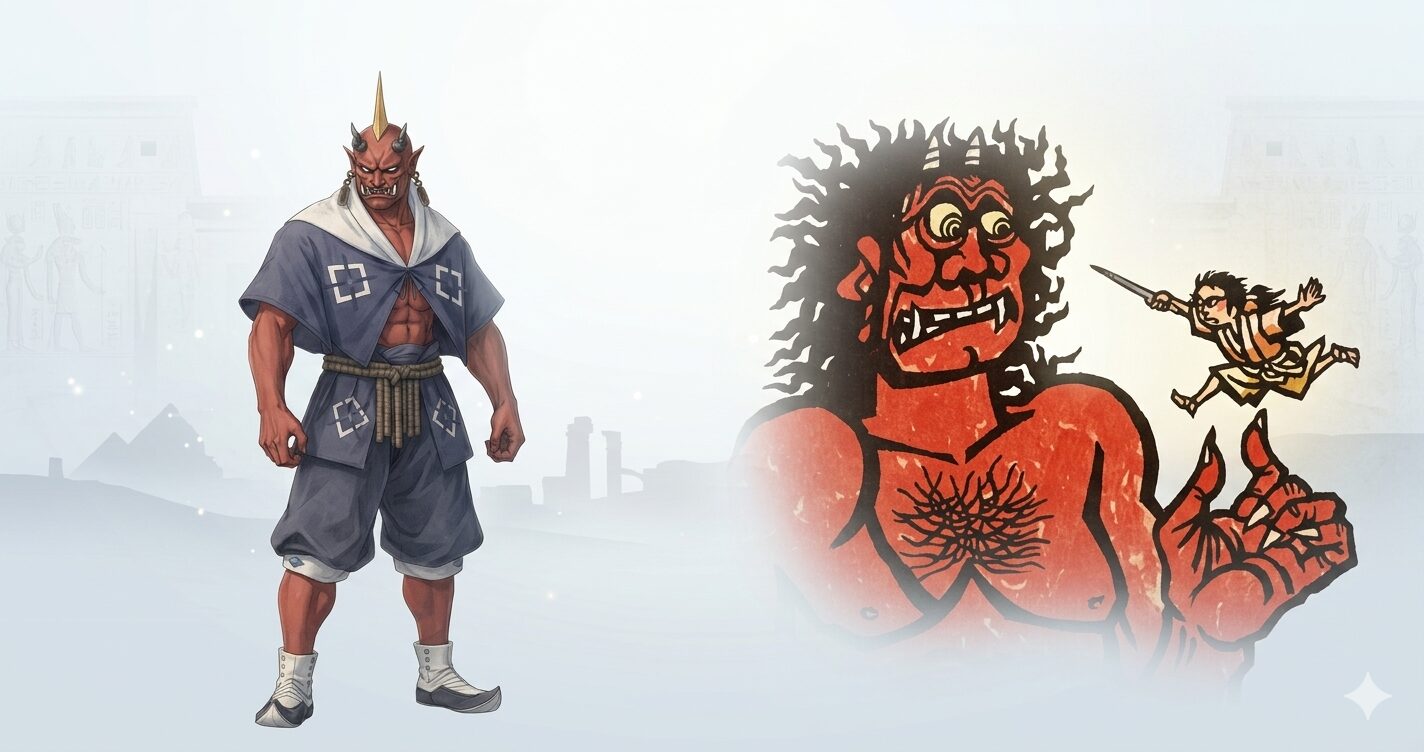
👹オニ 鬼 Oni
-人を喰らう異形の鬼――恐怖と混沌を体現する妖異の象徴-
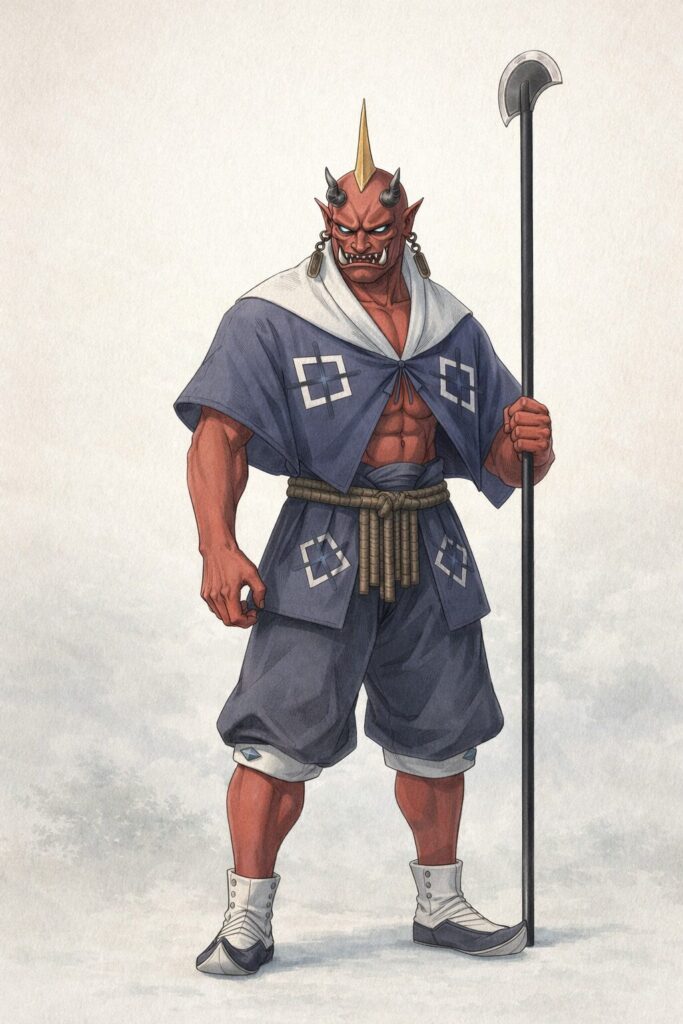
 日本の妖怪オニは、『女神転生』シリーズでは初代FC版で邪鬼、IIでは妖鬼として登場し、真IIIで再び姿を見せ、真Vではミニイベントにも出演します。いかにも「赤鬼」といった親しみやすい外見でありながら、力強さと存在感を兼ね備えています。
 どこか野蛮で粗野な印象を持ちながらも、不思議な愛嬌があり印象に残るキャラクターです。序盤の頼れる仲魔として、多くのプレイヤーに記憶されている存在ではないでしょうか。
メガテンと神話におけるオニ
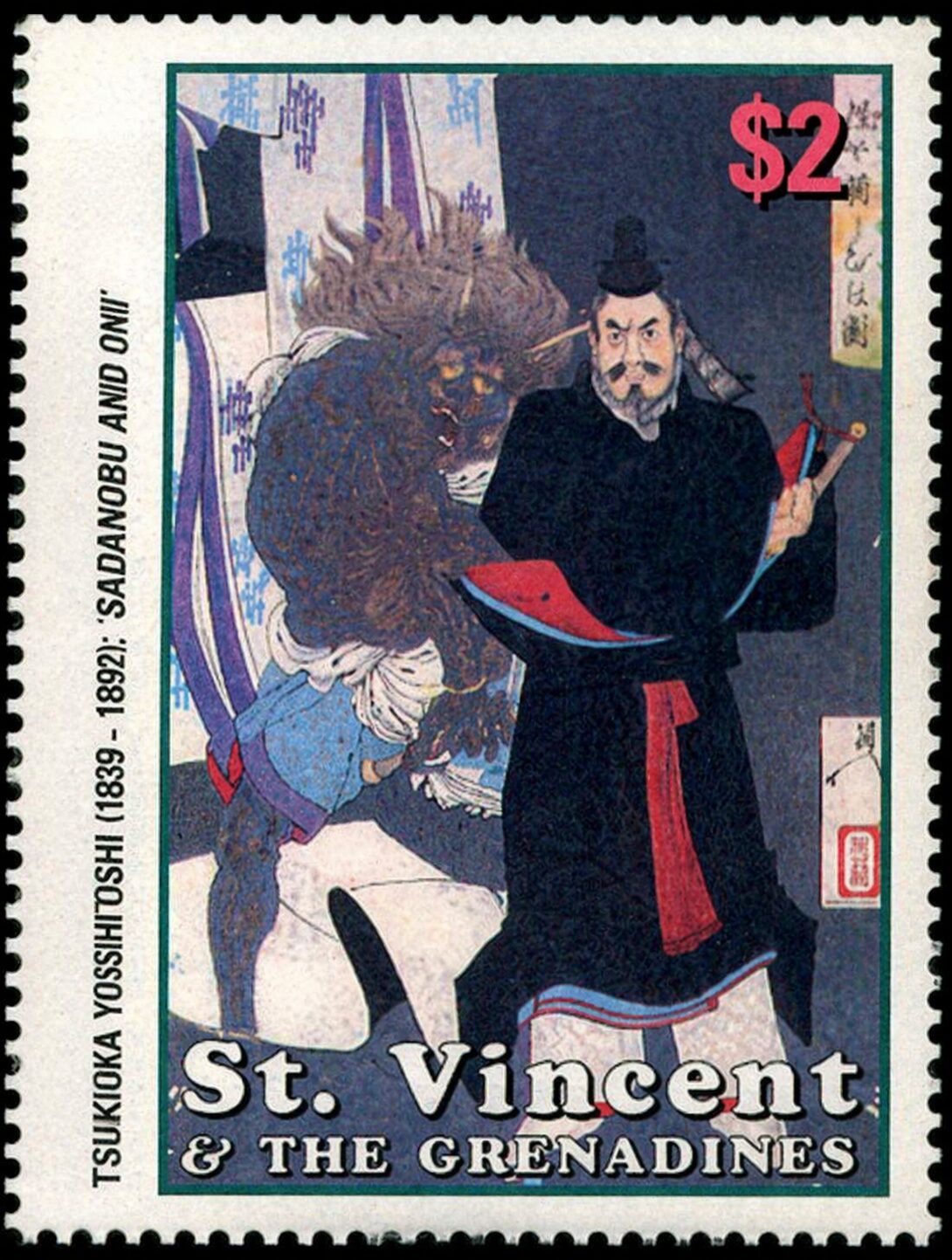
鬼(Oni)は、日本における代表的な妖怪であり、恐怖と力の象徴として広く知られています。一般的には、毛深い体に鋭い爪や牙、そして頭に角を持つ異形の姿で描かれます。さらに通俗的なイメージとして、虎皮の褌を締め、鉄棒(かなぼう)を手にした姿が定着しています。
この特徴的な姿は、鬼が現れる方角とされた「鬼門(丑寅)」に由来するとされ、牛の角と虎の皮が結びついたものと考えられています。
「鬼」という言葉の語源については諸説あり、「隠(おん)」に由来し、目に見えない存在を指したとする説や、畏怖や尊敬を含む語とする説もあります。
なお、中国における「鬼」が死霊を意味するのに対し、日本の鬼は必ずしも死者とは結びつかない点が特徴です。『日本書紀』などの古い記録には、鬼神や邪鬼といった存在が登場しますが、これらは妖怪というよりも、当時の秩序に従わない異民族や外敵を象徴したものとも考えられています。
また、節分の行事で追い払われる鬼は、災厄や疫病をもたらす存在としての側面を強調したものであり、一般的な鬼のイメージとはやや異なる性質を持っています。
このように鬼は、時代や文脈によって多様な意味を持ちながら、日本文化の中で独自に発展してきました。
『女神転生』シリーズにおける鬼も、その伝統的なイメージを踏まえつつ、親しみやすさを備えた存在として描かれています。粗暴で単純なキャラクターとして扱われる一方で、どこか憎めない魅力を持ち、序盤を支える仲魔として多くのプレイヤーに愛されてきました。
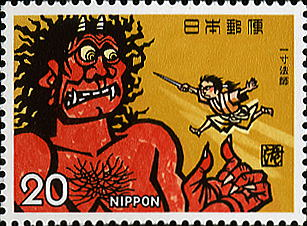
日本 1974年 一寸法師と鬼
正に2本角の「赤鬼」
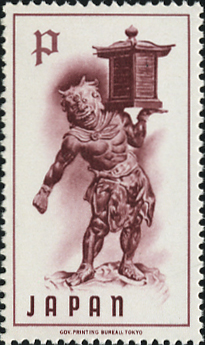
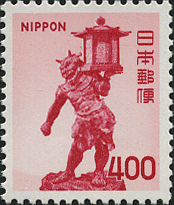
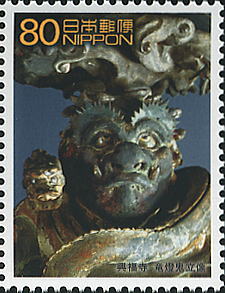
日本 1974年 天燈鬼
前の切手はこの試作品(プルーフ)
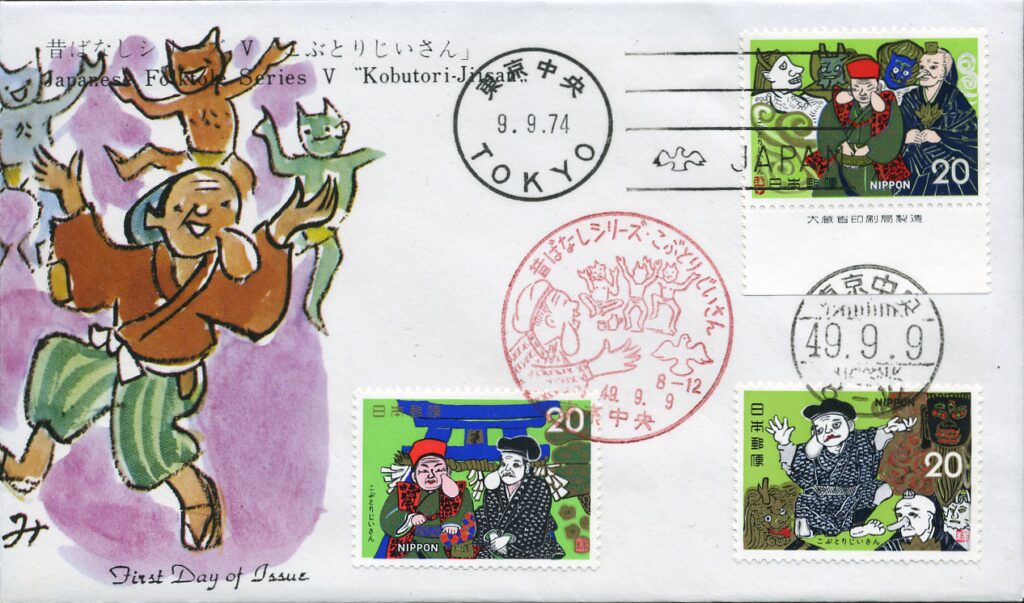
日本 1974年 初日カバー(FDC) こぶとりじいさん さまざまな鬼と天狗 特殊消印にも3匹の鬼
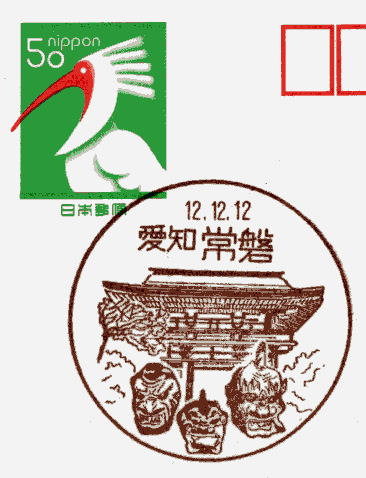
風景印 常盤郵便局 鬼の面
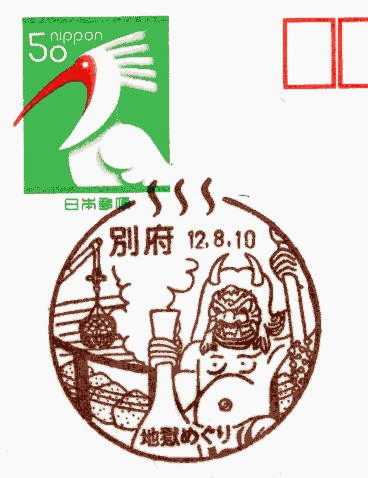
風景印 別府郵便局 別府温泉地獄めぐり
Oni in Shin Megami tensei and Japanese Forklore
Oni are among the most iconic creatures in Japanese folklore, representing fear, chaos, and immense strength.
They are typically depicted as large, hairy beings with horns, sharp claws, and fangs.
A familiar image shows them wearing tiger-skin loincloths and carrying iron clubs (kanabō).
This appearance is often linked to the concept of the “kimon” (northeast, the “demon gate”), associated with the zodiac signs of the ox and tiger—hence the horns and tiger skin.
The origin of the word “oni” is debated.
Some suggest it comes from “on” (hidden), referring to unseen spirits, while others associate it with awe or fear.
Unlike the Chinese concept of “gui,” meaning ghosts of the dead, Japanese oni are not necessarily spirits of the deceased.
Early texts such as the Nihon Shoki describe oni-like beings, which may have symbolized outsiders or enemies rather than literal monsters.
The oni driven away during Setsubun, for example, represent misfortune or disease, showing another aspect of their meaning.
In the Shin Megami Tensei series, oni retain their traditional appearance but are portrayed with a touch of humor and charm.
Though often depicted as brutish or simple, they are memorable and even lovable characters.
With strong attack and durability, they frequently serve as reliable allies in the early stages of the game.
コメント