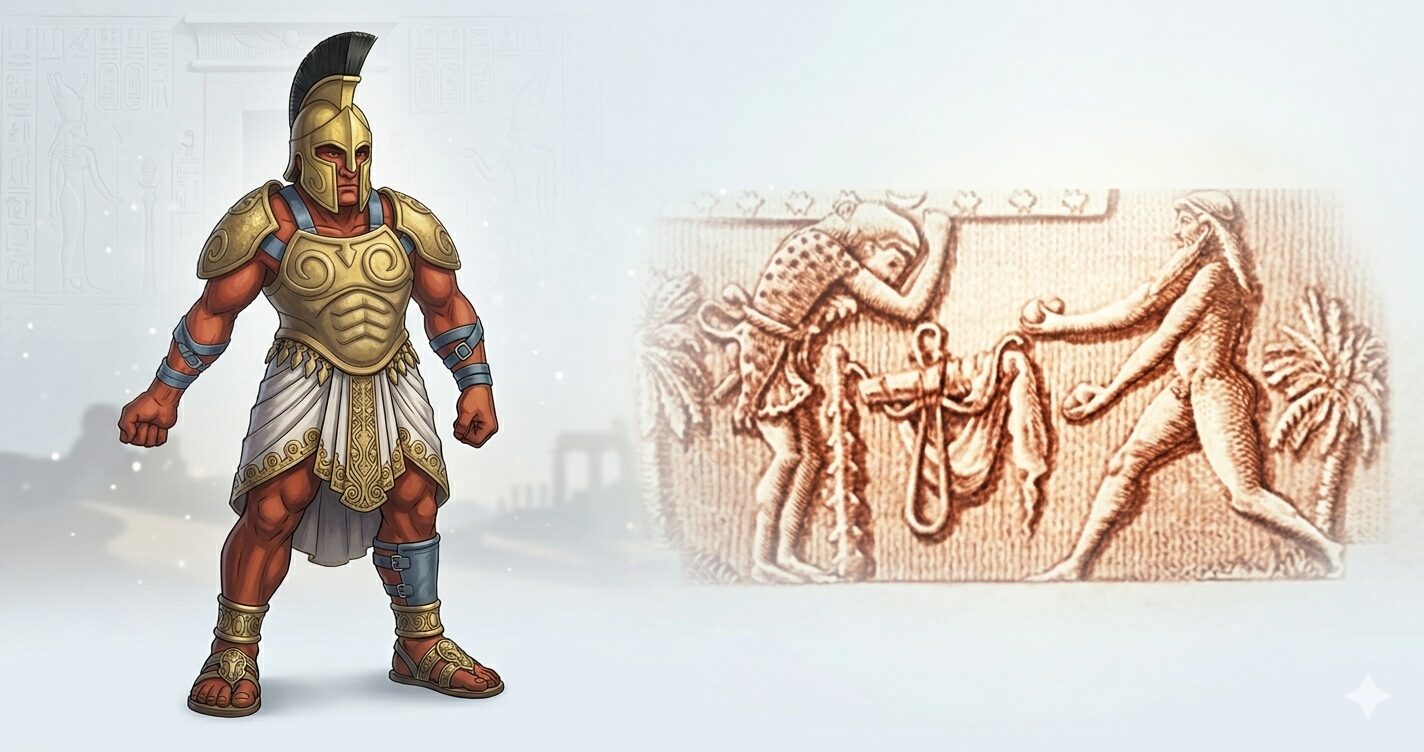
🌍アトラス Atlas
-天を支え続ける巨神――永遠の罰を背負うティターン-
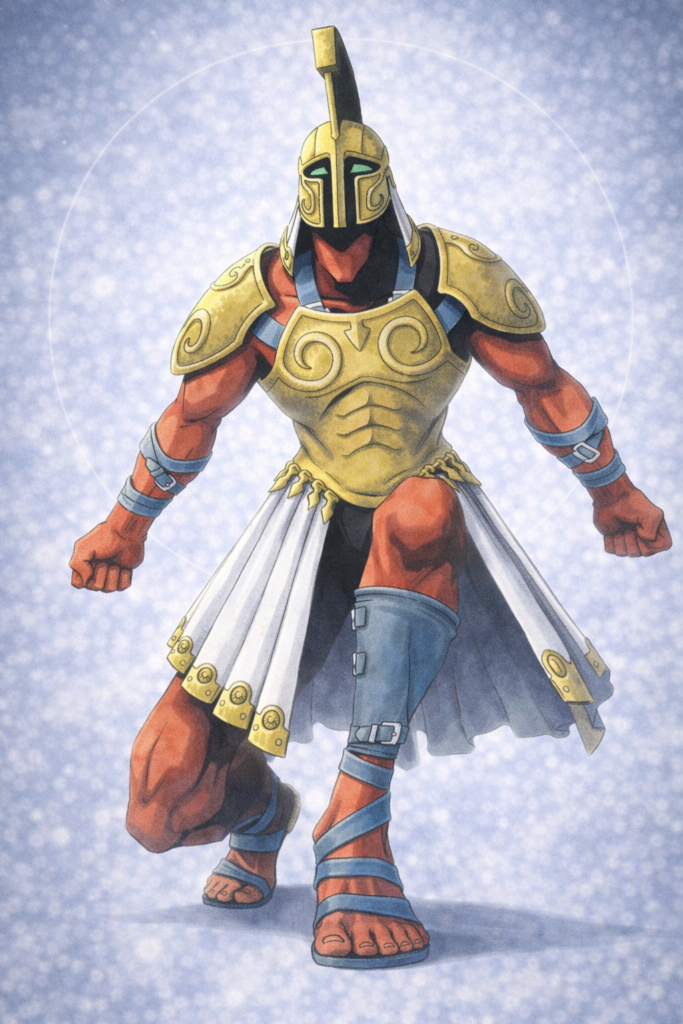
 『真・女神転生I』で最高レベルの地霊として登場するアトラス。天空を支える巨人という神話的スケールをそのままに、重厚で静かな存在感を放つ悪魔として描かれています。
 登場作品こそ限られるものの、その圧倒的な設定と印象は強く心に残ります。
 ゲームメーカー「Atlus」と同名であることも相まって、その名の由来に思いを巡らせたくなる存在です(神話では"Atlas")。
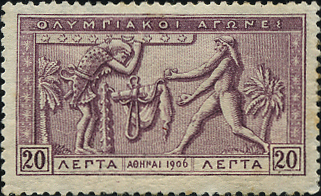
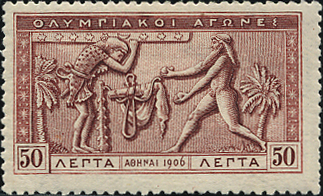
天空を支えるアトラスとヘラクレス
ギリシャ 1906年 オリンピック記念切手セット
額面の違う同図案切手
メガテンと神話におけるアトラス
ティータン神族に属し、プロメテウスの兄弟にあたるアトラス。その名は「運ぶもの」を意味するとされ、古代ギリシャでは天を支える存在として広く知られていました。オリュンポスの神々との戦いに敗れた罰として、彼は永遠に天空を支え続ける運命を課せられます。
とりわけ有名なのが、英雄ヘラクレスとの逸話です(上図・ギリシャ1906年切手)。十二の功業のひとつ、ヘスペリデスの黄金の林檎を求めて訪れたヘラクレスに対し、アトラスは「代わりに天を支えてくれるなら林檎を取ってこよう」と持ちかけます。束の間その重荷から解放されたアトラスは、林檎を手に戻ると、今度は自ら届けに行こうと提案します。しかしヘラクレスはこれを見抜き、「肩の位置を整えたい」と言って再び天を支えさせ、そのまま役目を返してしまいます。こうしてアトラスは再び、孤独な責務へと戻ることになりました。
さらに後の伝承では、ペルセウスがその苦しみに心を動かされ、メデューサの首を見せることで彼を石へと変え、永遠の苦役から解放したとも語られています。
『女神転生』シリーズでは、登場作は少ないものの、真・女神転生Iでは最高レベルの地霊として描かれています。神話における「世界を支える巨人」という重厚な存在感はそのままに、寡黙で威厳ある悪魔として印象に残る存在です。
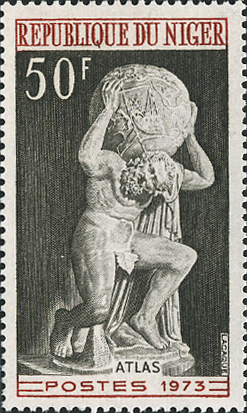
ニジェール1973年
天空を支えるアトラス
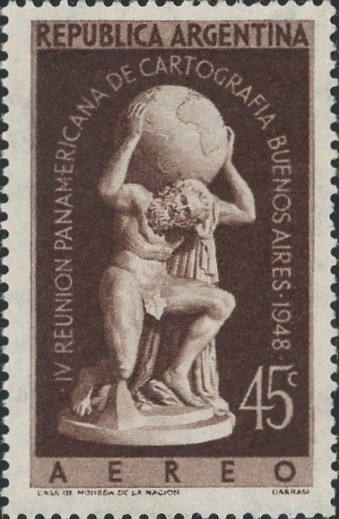
アルゼンチン1948年
地球を支えるアトラス
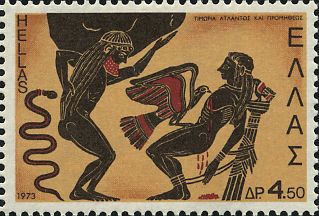
ギリシャ1973年 アトラスとプロメテウス
二人はティターン神族の兄弟
共にゼウスから永遠に続くひどい罰を受けた
 上には、古代ローマ時代の彫刻『ファルネーゼのアトラス』を描いた2枚の切手がありますが、ニジェール切手は原作に忠実で、星座の刻まれた天球を担ぐ姿が再現されています。
 一方、アルゼンチン切手は「第4回パンアメリカン地図会議」の記念として発行されたため、球体が大陸を示す“地球”として表現されているように見受けられます(アフリカ大陸がはっきりわかる)。「アトラス=地図帳」という語源的連想を踏まえた、地図会議のためのデザインです。
 同じように見える切手に、このような違いを見つけるのも、コレクターとしての楽しみです。
Who is “Atlas”? — Shin Megami Tensei and Greek Mythology
Atlas appears as an Earth Spirit—mid-game in Shin Megami Tensei II and as a top-level entity in Shin Megami Tensei I.
His name, identical to that of the developer Atlus, naturally invites curiosity about its origin.
A member of the Titans and brother of Prometheus, Atlas is said to mean “the one who endures” or “the bearer.” In Greek mythology, he is best known as the figure condemned to support the heavens. After the Titans were defeated by the Olympian gods led by Zeus, Atlas was punished with the eternal task of holding up the sky.
One of the most famous episodes involving Atlas is his encounter with Heracles (depicted on the Greek 1906 stamp above). As part of his Twelve Labors, Heracles sought the golden apples of the Hesperides. Atlas offered to retrieve them if Heracles would take his place and hold up the sky. Temporarily freed from his burden, Atlas returned with the apples but then proposed to deliver them himself, hoping to avoid resuming his task. Seeing through this, Heracles agreed but asked Atlas to briefly take back the sky so he could adjust his shoulders—only to leave him with the burden once more. Thus, Atlas was once again bound to his solitary duty.
In later traditions, it is said that Perseus, moved by pity, showed Atlas the head of Medusa, turning him to stone and releasing him from his endless suffering.
コメント