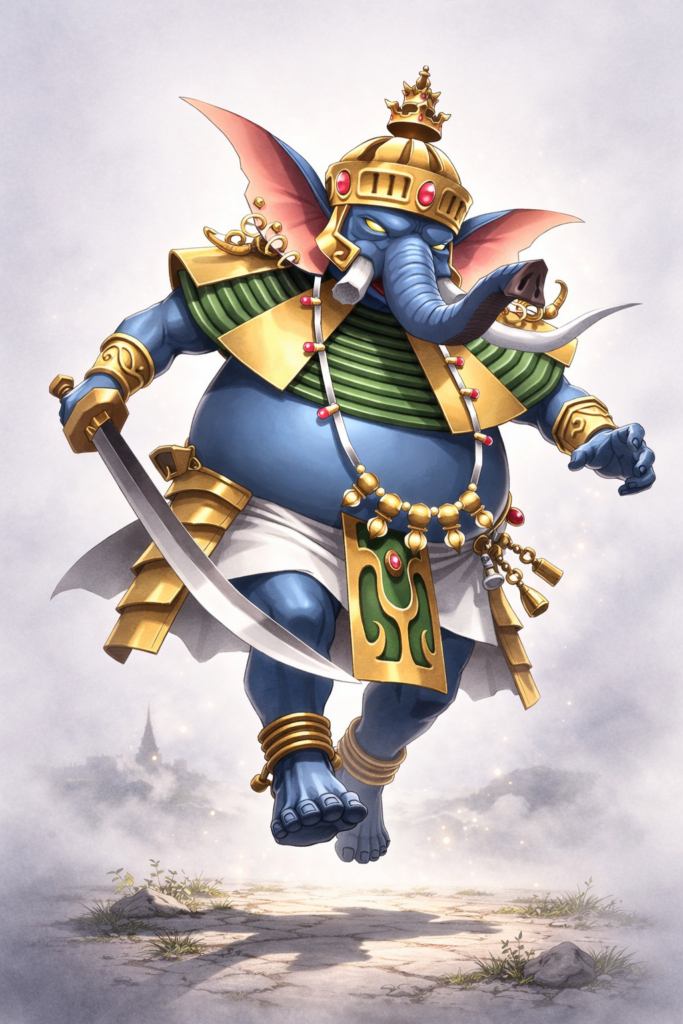
 象の頭を持つ神ガネーシャ――『女神転生』では、独特のキャラクターデザインと共に、能力的にも、高い耐久力と力強さで戦いを支える頼もしい存在です。
 そのユニークな姿の背後には、シヴァとの驚くような神話と、人々の願いを叶える優しき神としての物語が息づいています。
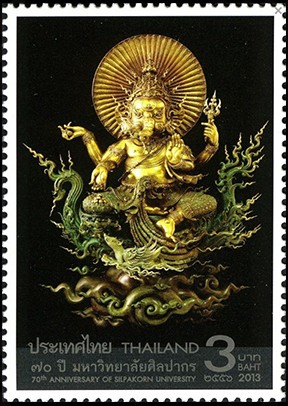
タイ 2013年 シルパコーン大学創立70周年記念切手
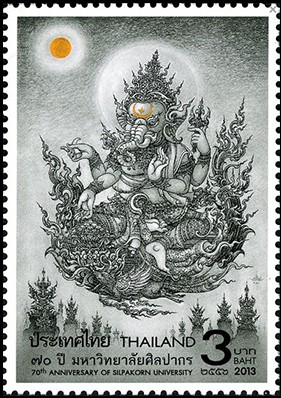
左右共に学問と芸術の神であるガネーシャを描く
メガテンと神話におけるガネーシャ
『女神転生』シリーズでは、初代においては数少ない魔神の一柱として登場したガネーシャ。以後は”妖魔”として描かれ、近年作では高いHPと防御力を誇り、攻守に活躍できる頼もしい”軍神”へと進化している。
シヴァとパールヴァティの子であり、その名は「群衆の主」を意味する。四本の腕と一本の牙を持つ象頭の神として知られ、豊かな腹をたたえた姿で描かれるが、もとは人の姿であったと伝えられる。母の沐浴を守る門番を命じられたガネーシャは、父シヴァであってもその侵入を拒んだため、怒りを買い首を刎ねられてしまう。嘆き悲しむ母をなだめるため、シヴァは通りかかった象の首を与え、彼を蘇らせたという。
また、一本の牙の由来にも逸話が残る。シヴァの眠りを守る任にあった際、斧を携えたラーマの侵入を阻もうとしたガネーシャは、その斧が父から授けられたものであると悟り、自らの牙でその一撃を受け止めたとされる。
もともとは災厄や疫病をもたらす神として信仰されていたともいわれるが、やがて障害を取り除き、知恵と成功を授ける吉祥の神へと変化した。インドでは重要な事業や学びの始まりに、まずガネーシャに祈りを捧げる習慣が今も広く残っている。
近年では、小説『夢をかなえるゾウ』に登場することで一般にも広く知られるようになり、神話と現代文化をつなぐ存在として、より身近な神へと位置づけられている。
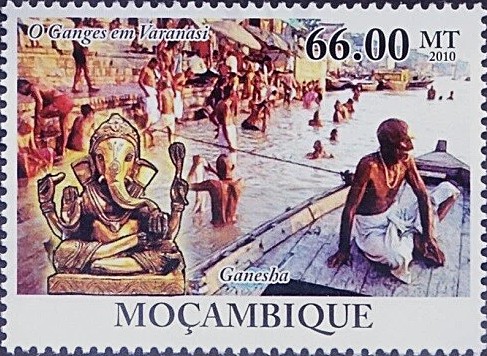
モザンビーク 2010年
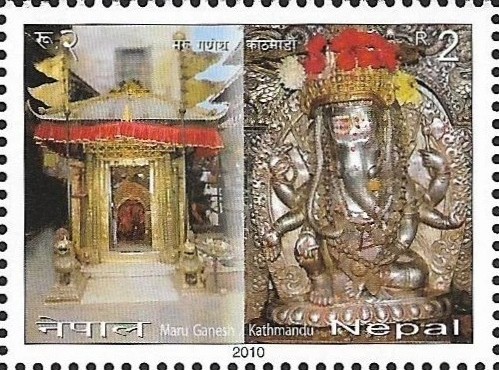
ネパール 2010年
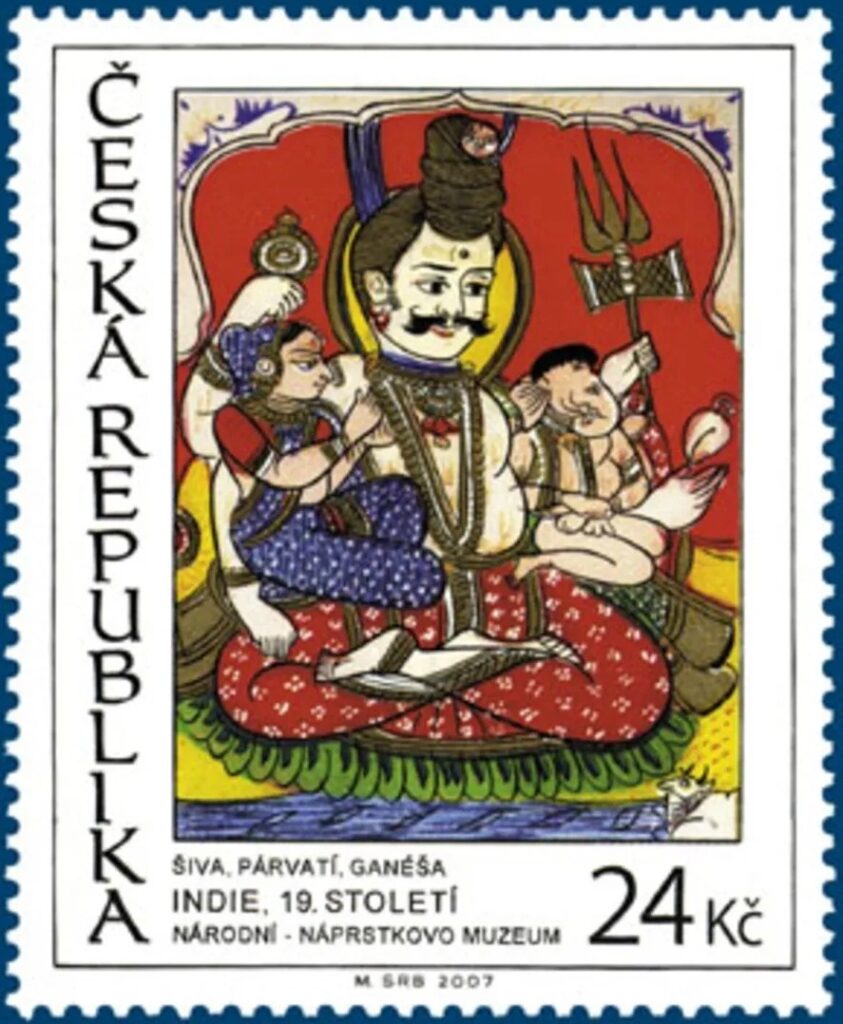
チェコ 2007年
シバに抱かれたパールヴァティーとガネーシャ
ガネーシャはシヴァの息子としての立ち位置が、この絵画により理解できる
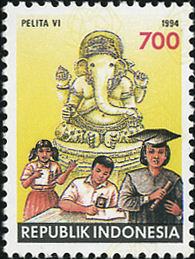
インドネシア 1994年
下のインドのデュティア地方で1890年から発行されたクラシックな切手は、とても素朴で見ていてとても癒され、気に入ってます。古いながらも徐々に印刷技術が改良されていますね。
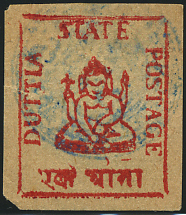
インド・デュティア 1893年
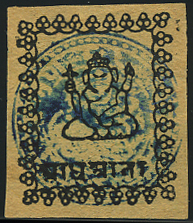
インド・デュティア 1897年
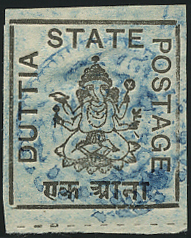
インド・デュティア 1916年
Ganesha in Shin Megami Tensei and Hindu Mythology
In the Megami Tensei series, Ganesha first appeared as one of the few “Deity” figures in the original game. In later titles, he is classified as a “Yoma,” and in recent entries he has evolved into a powerful “War God,” boasting high HP and strong defense, capable of excelling both offensively and defensively.
Ganesha is the son of Shiva and Parvati, and his name is often interpreted as “Lord of the Multitudes.” He is commonly depicted as an elephant-headed figure with four arms and a round belly, though he is said to have originally had a human form.
According to myth, Ganesha was assigned by his mother to guard her bath. When Shiva attempted to enter, Ganesha refused to let him pass, even though he was his father. Enraged, Shiva beheaded him. To console the grieving Parvati, Shiva replaced Ganesha’s head with that of an elephant, bringing him back to life.
The origin of his single tusk is also explained in legend. While guarding Shiva’s sleep, Ganesha confronted Rama, who carried an axe. Recognizing that the weapon had been given by Shiva himself, Ganesha chose not to oppose it directly, instead receiving the blow with his own tusk, which was broken in the process.
Originally, Ganesha is believed to have been worshipped as a deity associated with obstacles, misfortune, and disease. Over time, however, his character transformed into that of a benevolent god who removes obstacles and grants wisdom and success. In India, it remains customary to offer prayers to Ganesha at the beginning of important undertakings.
In modern times, Ganesha has also gained wider recognition through the novel The Elephant Who Grants Wishes (Yume wo Kanaeru Zou), further establishing his presence not only in mythology but also in contemporary culture.

コメント